
Emergency Cases
+91 89280 08099
If you suspect cancer or are currently managing it and face a medical emergency, please call us for guidance on how to handle the situation.
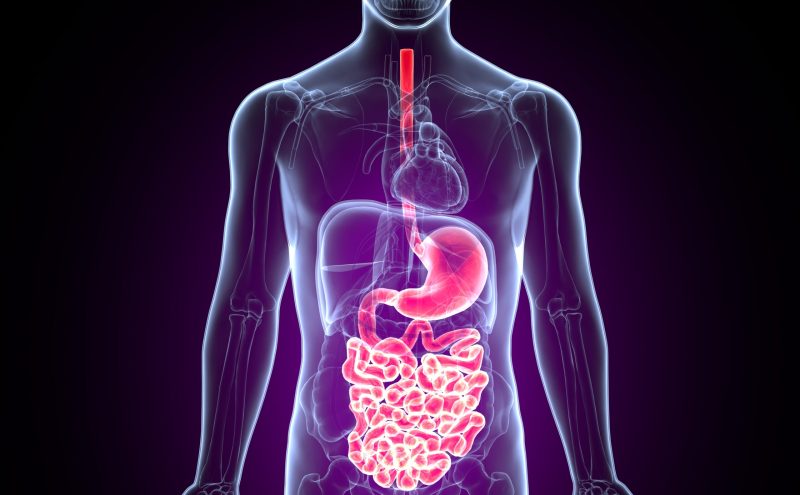
Esophageal cancer begins in the oesophagus, the long tube that connects the throat to the stomach. It is most commonly classified as either squamous cell carcinoma or adenocarcinoma, depending on the type of cells that become cancerous. Squamous cell carcinoma typically occurs in the upper and middle parts of the oesophagus, while adenocarcinoma is more common in the lower oesophagus, near the stomach.
Esophageal cancer often develops silently, with few noticeable symptoms in its early stages, making early detection challenging. The risk of developing esophageal cancer increases with age, and it is more common in men than in women. At Apex, we offer advanced diagnostic techniques and personalized treatment plans to help patients manage esophageal cancer effectively and improve their quality of life.
Common symptoms of esophageal cancer include:
Note: Early symptoms of esophageal cancer, like difficulty swallowing or heartburn, are often mistaken for other less serious conditions, such as acid reflux or other digestive issues. Regular checkups and awareness of risk factors are key to early detection.
Several factors contribute to the development of esophageal cancer, including:
If you are experiencing symptoms or have risk factors for esophageal cancer, don’t wait—schedule a consultation with our expert oncology team at Apex. Early detection is crucial for improving treatment outcomes, and we offer advanced diagnostic services, personalized treatment options, and compassionate care to guide you through every step of your treatment journey. Contact us today for more information and to schedule an appointment.
Have a question?
Call us now.
Need support?
Drop us an email.
3rd Floor, 301 Meraki Arena, Above Croma Store, Sion -Trombay Road, Opp. Godrej RKS, Chembur, Mumbai Pincode - 400 071.

